How to Read the Mountain View CA Housing Market in 2026
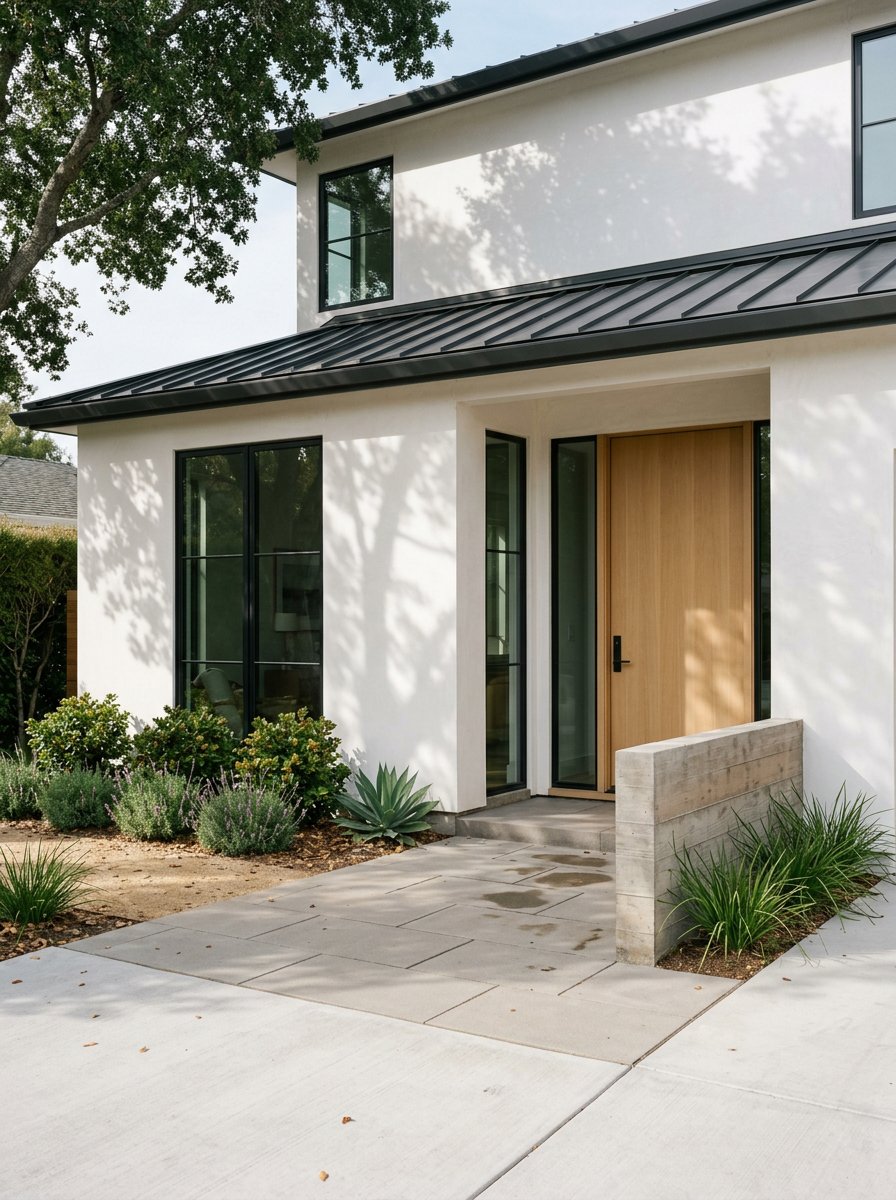
If you read three market sites and get three different numbers for Mountain View, you are not alone. The city’s sales count is small, submarkets behave differently, and each portal measures things its own way. The good news is you can still read the market clearly if you know which indicators matter and how to compare like with like. This guide breaks down the key signals, shows you what the latest data says, and turns it into practical steps whether you plan to buy or sell. Let’s dive in.
Different sources track different things and on different timelines. For example, one site may show days to pending while another shows days on market. That is why you should compare the same provider’s trend over time rather than mix snapshots across portals. For definitions of common metrics, see these helpful metric definitions.
Mountain View also has low monthly sales. A few high-end closings can swing the median price for the whole city. You get the best read by using a 3 to 6 month view and checking the specific price band and ZIP code that matches your target.
The takeaway is simple. Numbers differ because methods differ. Focus on consistent sources over time, and always check the submarket you actually care about.
Sale-to-list price is the final sale price divided by the list price. Over 100% means buyers, on average, paid over the asking price. Realtor.com showed Mountain View near 102% in Dec 2025, and Redfin notes many listings still draw multiple offers in Jan 2026. That combination signals ongoing pockets of strong bidding.
What it means for you:
DOM shows how quickly homes go under contract. Redfin showed a median of about 33 days in Jan 2026, while Realtor.com showed about 49 days in Dec 2025. These differences come from timing and how each source counts days. Short DOM means urgency. Longer DOM often means more room to negotiate. For clearer comparisons, stick with the same source month after month and understand whether it tracks days to pending or days on market. For more detail on how platforms define these metrics, review the standard definitions.
Months of supply estimates how long it would take to sell current listings at the recent sales pace. Many economists consider around 4 to 6 months as a balanced market. Less than about 4 months often favors sellers. More than about 6 months often favors buyers. See a concise summary of these conventions in this CRS/HUD overview referencing NAR norms.
In Mountain View, active listings are usually counted in the dozens, which can make MOI jump around month to month. You will get the best insight by tracking MOI in your exact price band and ZIP using a 3 month moving average.
Median sale price shows the middle price of recent closings. Price per square foot normalizes for size. These two can diverge when the “mix” of what sells changes, like a month with more large homes or more townhomes. In Jan 2026, Redfin showed a median sale price near $1.66M and roughly $1,080 per square foot, while Zillow’s ZHVI was near $1.97M. The difference reflects methodology and timing. When you evaluate a specific property, compare like with like and check both the per-square-foot figure and the median for the same home type.
Rising price reductions among active listings hint at softer demand or initial overpricing. A high share of sales over list suggests strong competition. Late 2025 brought mixed signals across the Midpeninsula. Some pockets still saw frequent over-asking outcomes even as other areas carried more inventory. For local color, see the Voice’s coverage of shifting overbidding patterns.
Mountain View is not one market. In Dec 2025, medians varied widely by ZIP: about $2.12M in 94041, about $1.38M in 94040, and about $1.26M in 94043. That spread reflects differences in housing stock, lot size, and location. Always pull data that matches your target ZIP and product type, then check recent pendings for a reality check.
Single-family homes and attached homes trade on different timelines and price bands. If you are considering a townhome or condo, factor in HOA dues, reserve strength, insurance coverage, rules on rentals, and the likelihood of special assessments. These items change your monthly carry and can affect resale value. When you compare comps, split by home type so you are not mixing very different products.
Google and other large employers anchor demand and own or influence key development sites. The North Bayshore area could add housing over time, but the build-out is phased and long range. You can review the city’s North Bayshore planning materials to understand the vision and the long timeline. Local reporting has also covered changes in Google’s land strategy, including possible sales that could shift timing for new housing. See this Palo Alto Online overview of Mountain View’s housing uncertainty. The upshot for you is that potential new supply is not likely to change the near-term resale market in the next year or two.
Santa Clara County generally posts higher median prices and faster sales than many other California counties. That said, county-wide medians can mask big differences from one city to the next. For perspective and recent commentary, see the Silicon Valley Association of REALTORS’ county updates and the California Association of REALTORS’ January 2026 release. Use those for context, then guide your decisions with Mountain View ZIP-level comps.
Typical signs include a sale-to-list ratio above 100% in your price band, months of supply below about 4, and short DOM in the last few weeks. In these conditions, sellers can price to attract multiple offers with strong preparation and targeted marketing. Buyers who want to compete should be fully underwritten, write clean timelines, and consider escalation language or limited appraisal-gap terms when data supports it. These are examples only and should be tailored to the specific property and comps.
Buyer leverage grows when inventory rises, months of supply trends toward or above 4 to 6, sale-to-list moves toward or below 100%, and more active listings take reductions. In this setup, keep standard contingencies or shorten them rather than waiving. Ask for seller credits or price adjustments when comps and inspection findings support it. A steady read on recent pendings will help you hold the line on value.
Shortening or waiving contingencies can help in a bidding war, but it raises legal and financial risk. In California, the Residential Purchase Agreement includes default timelines a buyer can adjust. Typical ranges often look like 7 to 17 days for inspections and 17 to 21 days for loan and appraisal, but you should confirm current language with your agent and counsel. For a plain-English overview, review this guide to the California RPA and contingency timelines. If you consider removing contingencies, make sure you have cash reserves, clear lender guidance, and legal advice.
You can build a simple, repeatable check-in that avoids month-to-month noise:
If you want neighborhood-level insight tailored to your price band and timing, reach out for a private consult. With boutique, high-touch service backed by Coldwell Banker’s marketing and systems, you will get clear guidance, disciplined pricing strategy, and a plan calibrated to today’s Mountain View dynamics. Start with a data-driven conversation and a home valuation with Suzanne Freeze.
Stay up to date on the latest real estate trends.

Suzanne Freeze-Manning | May 21, 2026

Suzanne Freeze-Manning | May 14, 2026
Suzanne Freeze-Manning | May 7, 2026

Suzanne Freeze-Manning | April 30, 2026
Suzanne Freeze-Manning | April 23, 2026
April 2, 2026
March 24, 2026
March 5, 2026

February 19, 2026
Communication is the key to client satisfaction and I work hard to ensure all questions are answered and needs met. Purchasing or selling a home is one of life's biggest investments and can be one of life's most satisfying rewards. My commitment to be with you every step of the way will ensure a smooth, efficient and successful experience.
Get In Touch With Suzanne To Learn More

410 N. Santa Cruz Ave. Los Gatos, CA 95030